How to Create a Product Landing Page That Helps Increase Online Sales
Learn how to create effective product landing pages for your online store, showcase products, highlight offers, and guide customers toward purchasing with EftahShop.
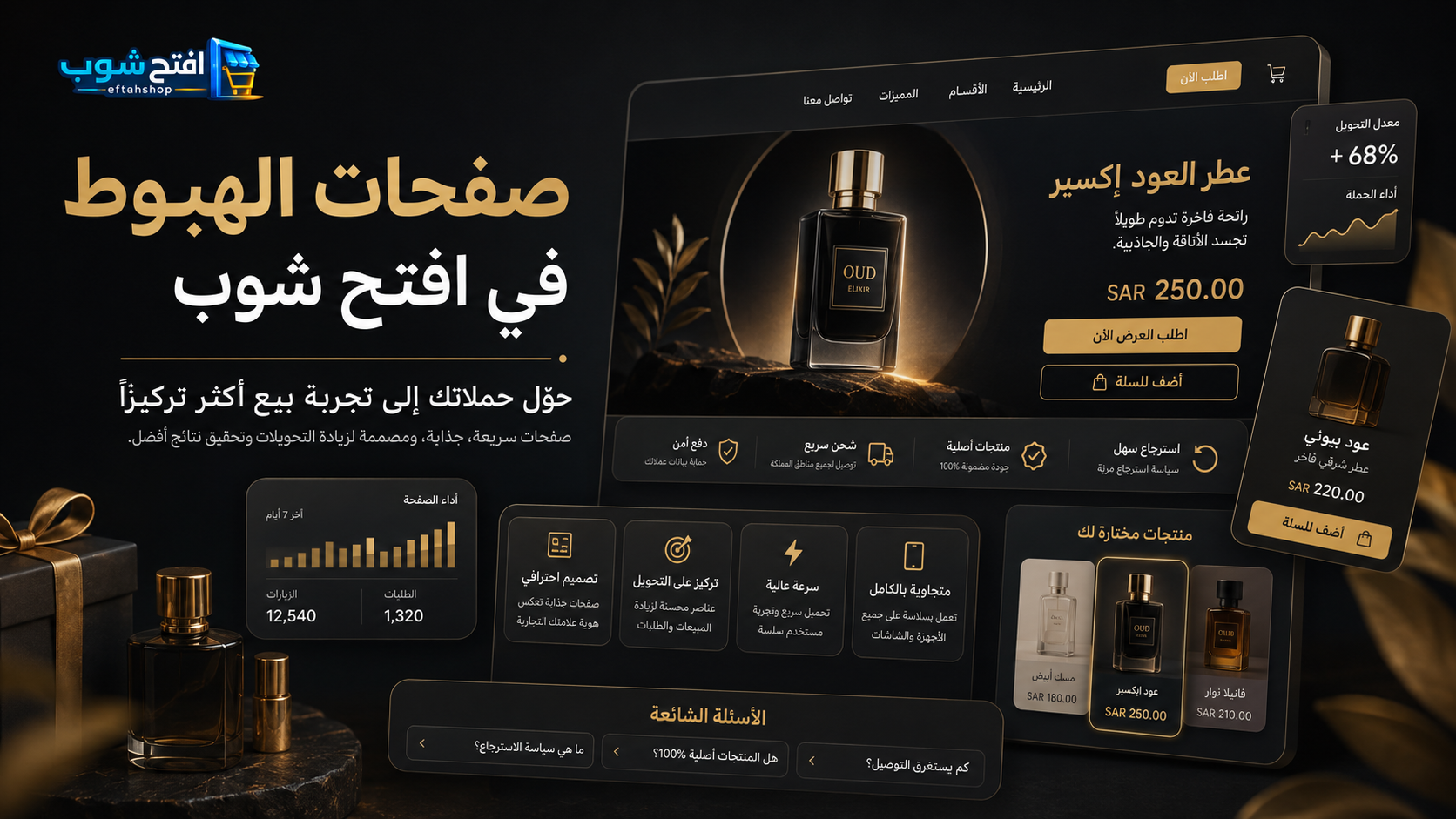
How to Create a Product Landing Page That Helps Increase Online Sales
Running Facebook or Instagram ads for a specific product?
Imagine spending money to attract potential customers, only for them to click your ad and land on your store's homepage.
Instead of immediately finding the product they were interested in, they have to browse categories, search for the item, and navigate through multiple pages.
Some visitors might continue searching. Others may leave before making a purchase.
This is where product landing pages become valuable.
A dedicated landing page helps you present the exact product or offer featured in your advertisement, giving visitors a more focused shopping experience.
In this guide, we'll explain what landing pages are, how they differ from regular product pages, which elements make them effective, and how you can create them using EftahShop.
What Is a Landing Page?
A landing page is a dedicated webpage designed around a specific marketing objective.
For e-commerce businesses, that objective is often to promote a product, highlight a special offer, or encourage visitors to take a particular action.
Unlike a store's homepage, which typically displays multiple categories and products, a landing page focuses on one primary message.
For example, imagine you're running an Instagram campaign promoting a handbag with a 20% discount.
Instead of sending visitors to your entire product catalog, you can direct them to a dedicated page featuring that handbag.
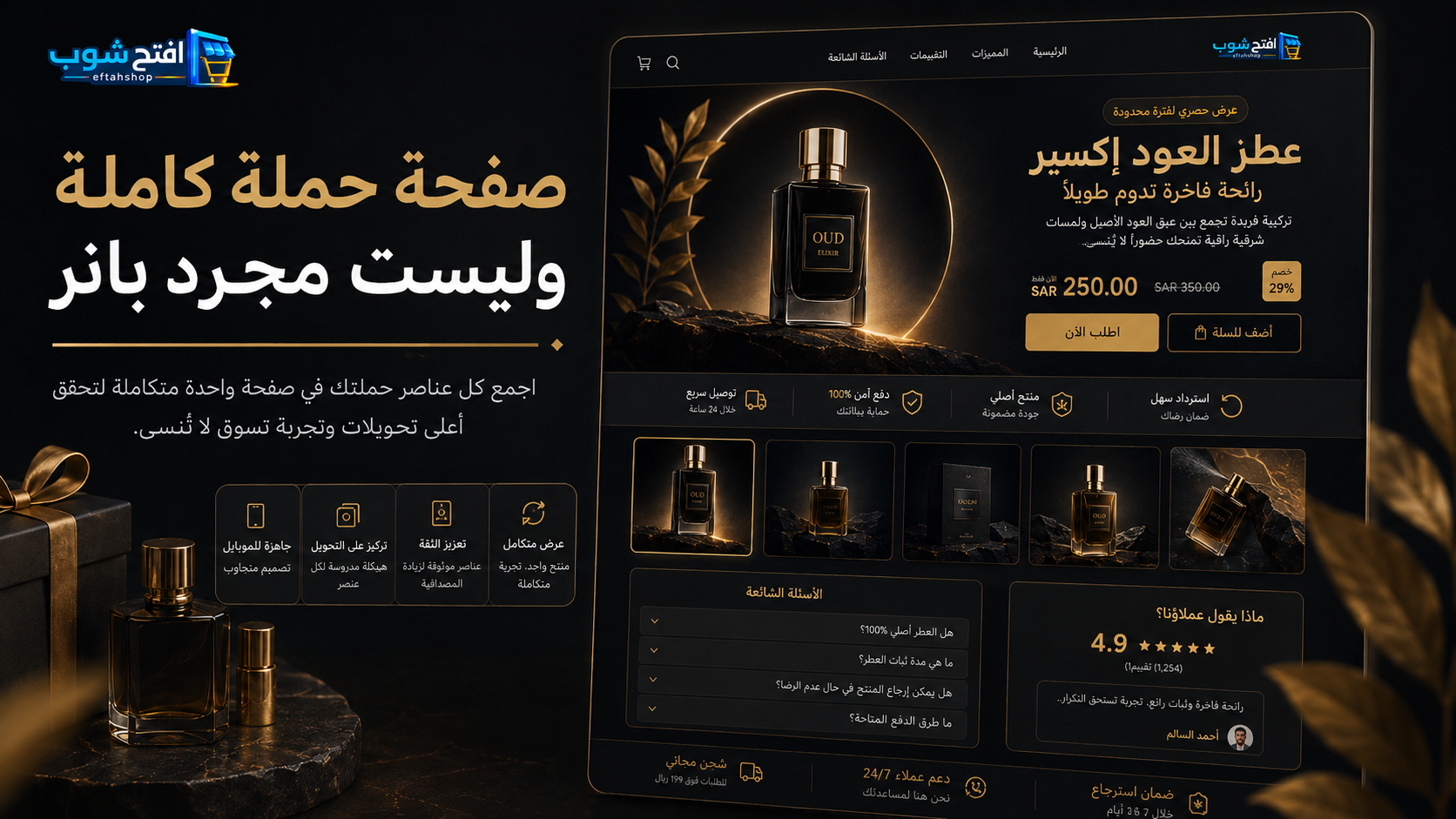
The page can display product images, pricing, benefits, shipping information, and a clear purchase button.
This helps visitors find the information they need without unnecessary navigation.
Landing Page vs. Product Page: What's the Difference?
Although landing pages and product pages share certain features, they serve different purposes.
A traditional product page is part of your online store's catalog. It provides product details and allows customers to purchase while browsing your store.
A landing page, on the other hand, is designed specifically around a campaign, promotion, or particular product.
Traditional Shopping Journey
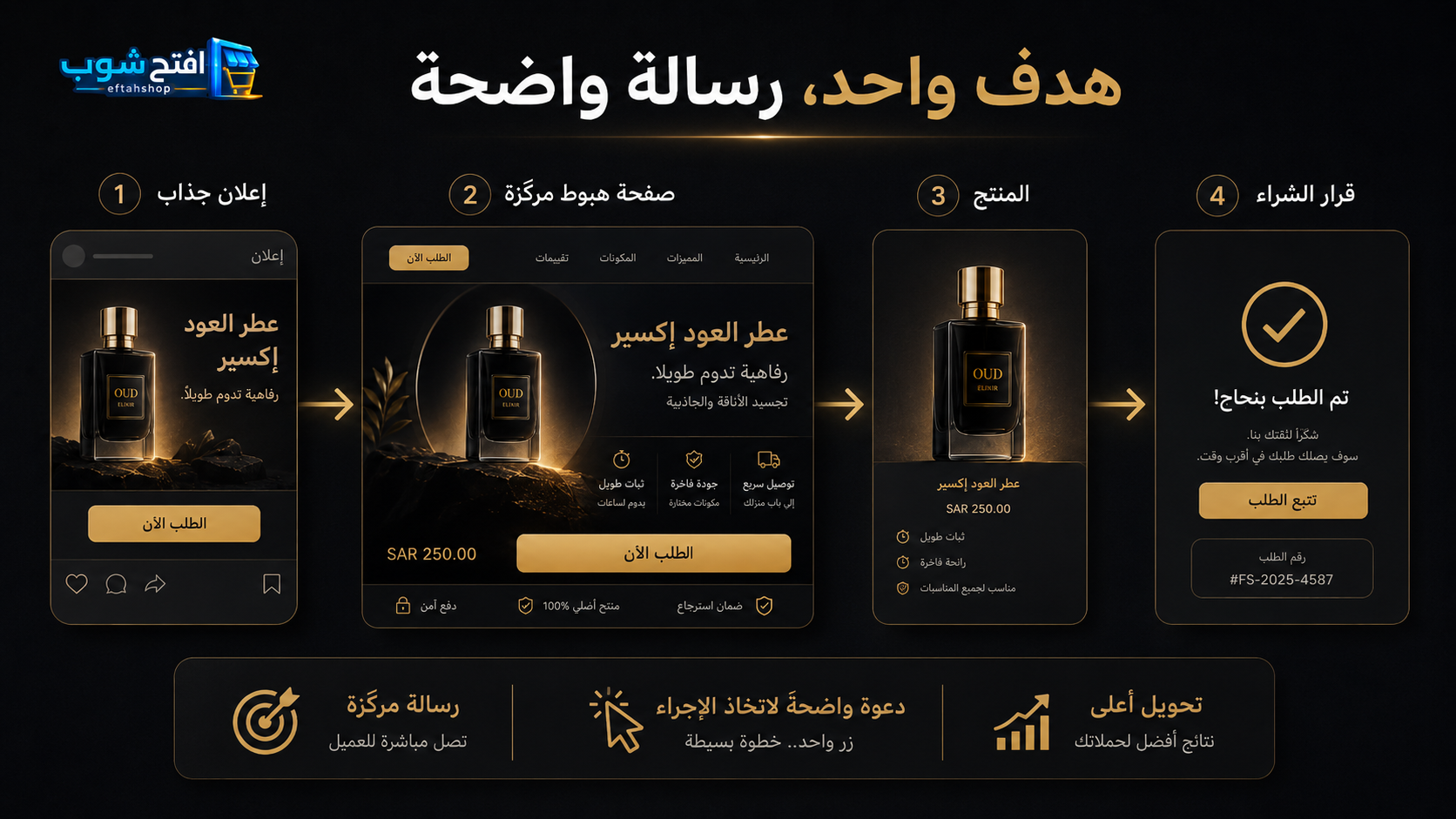
Advertisement → Store Homepage → Product Search → Product Page → Purchase Decision
Landing Page Shopping Journey
Advertisement → Dedicated Landing Page → Purchase Decision
The second journey removes unnecessary navigation steps and keeps visitors focused on the advertised offer.
However, this doesn't mean landing pages should replace regular product pages.
Both serve important purposes.
Product pages support everyday shopping and product discovery, while landing pages are particularly useful for targeted marketing campaigns.
7 Essential Elements of an Effective Product Landing Page
Creating an effective landing page requires more than adding a product image and a purchase button.
A well-structured page should provide visitors with the information they need to evaluate your offer.
Here are seven important elements to consider.
1. An Attention-Grabbing Hero Section
The hero section is usually the first thing visitors see when opening your landing page.
Its purpose is to immediately communicate what you're offering.
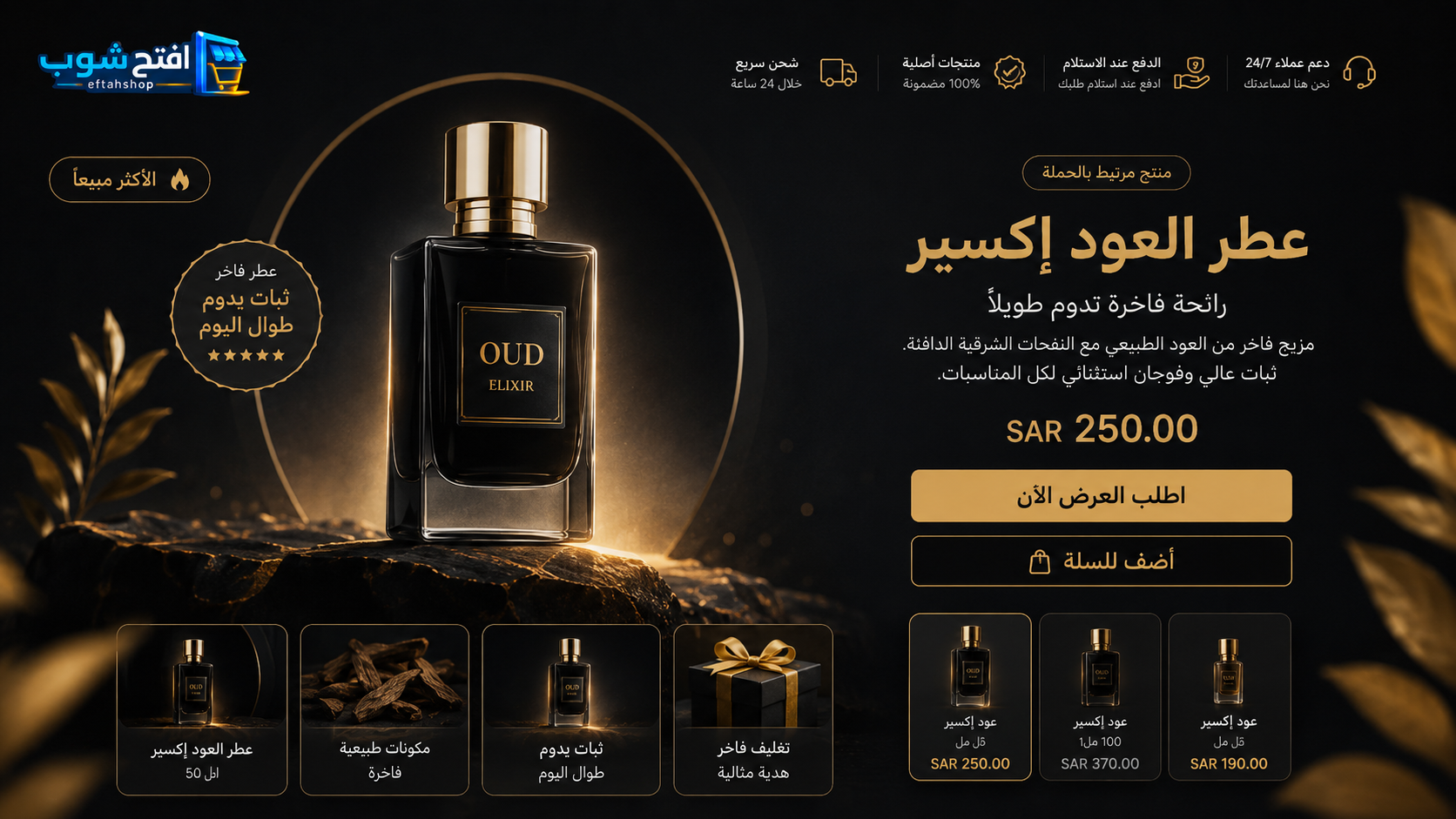
A strong hero section typically includes a clear headline, relevant product imagery, a short description, and a visible call-to-action button.
For example, if your advertisement promotes a limited-time discount on accessories, visitors should see that same offer when they arrive.
Maintaining consistency between your advertisement and landing page helps create a smoother experience.
2. Clear Product Information and Pricing
Visitors shouldn't have to search for essential product details.
Your landing page should clearly communicate what the product is, how much it costs, and what makes it worth considering.
Include relevant information such as product specifications, available options, pricing, and promotional offers.
Avoid hiding important details that could influence a customer's purchasing decision.
3. High-Quality Product Images
Product photography plays an important role in online shopping.
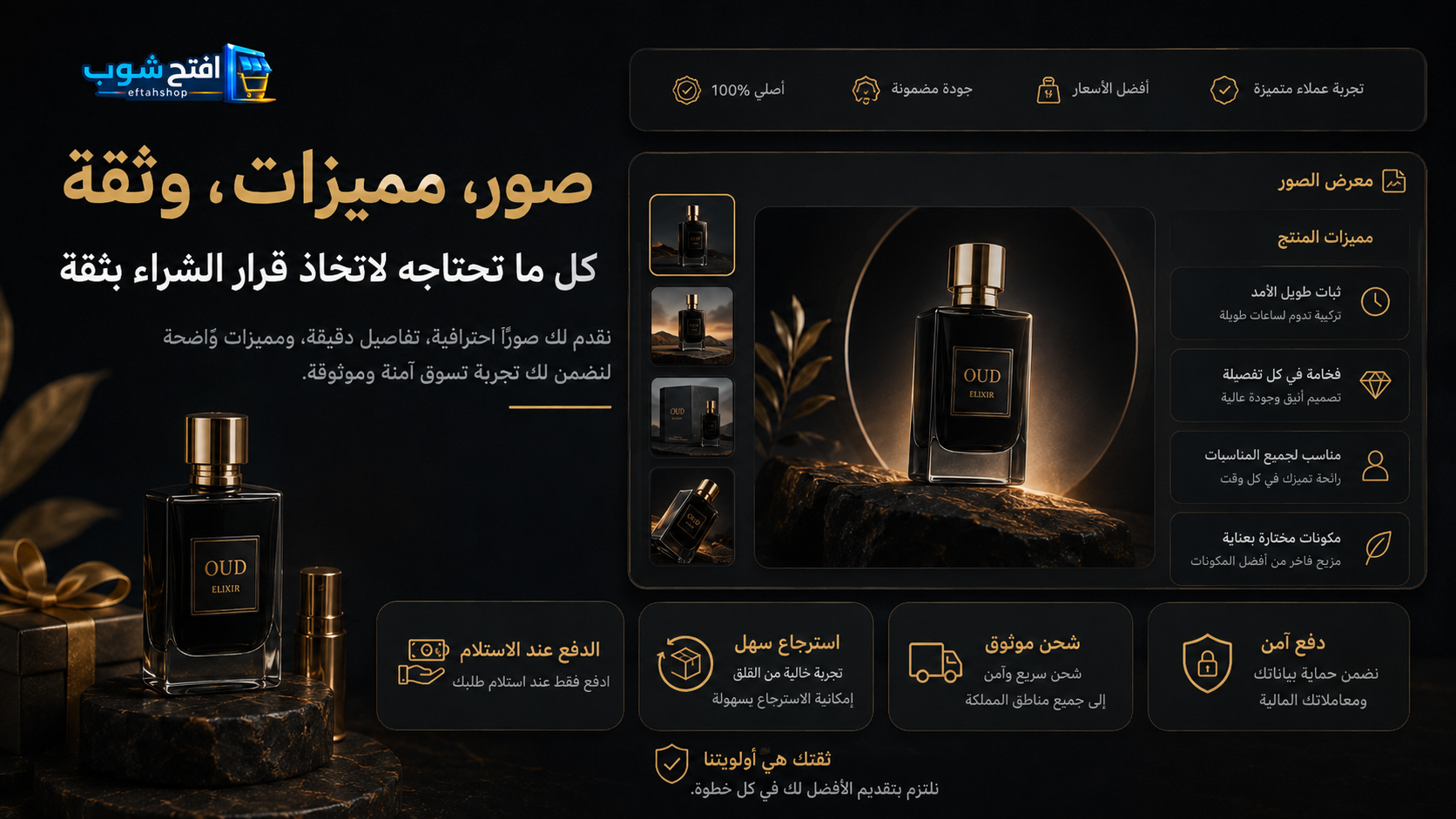
Since customers cannot physically examine products before purchasing, images help them understand appearance, materials, and details.
Consider including multiple product images that show different angles or important features.
For fashion, jewelry, furniture, and similar categories, visual presentation can be especially important.
Make sure images are optimized for mobile devices so they don't unnecessarily slow down your page.
4. Product Features and Benefits
Technical specifications are useful, but customers also want to understand how a product meets their needs.
Instead of focusing exclusively on product characteristics, explain their practical benefits.
For example, rather than simply mentioning a material or manufacturing process, explain why that detail matters to the customer.
Keep descriptions accurate, relevant, and easy to understand.
5. Trust-Building Elements
Visitors may hesitate before purchasing from an unfamiliar online store.
Providing transparent information can help address their concerns.
Useful trust-building elements include shipping information, available payment methods, return policies, and genuine customer reviews.
Avoid exaggerated claims or testimonials that cannot be verified.
Trust comes from clear, accurate information and a reliable shopping experience.
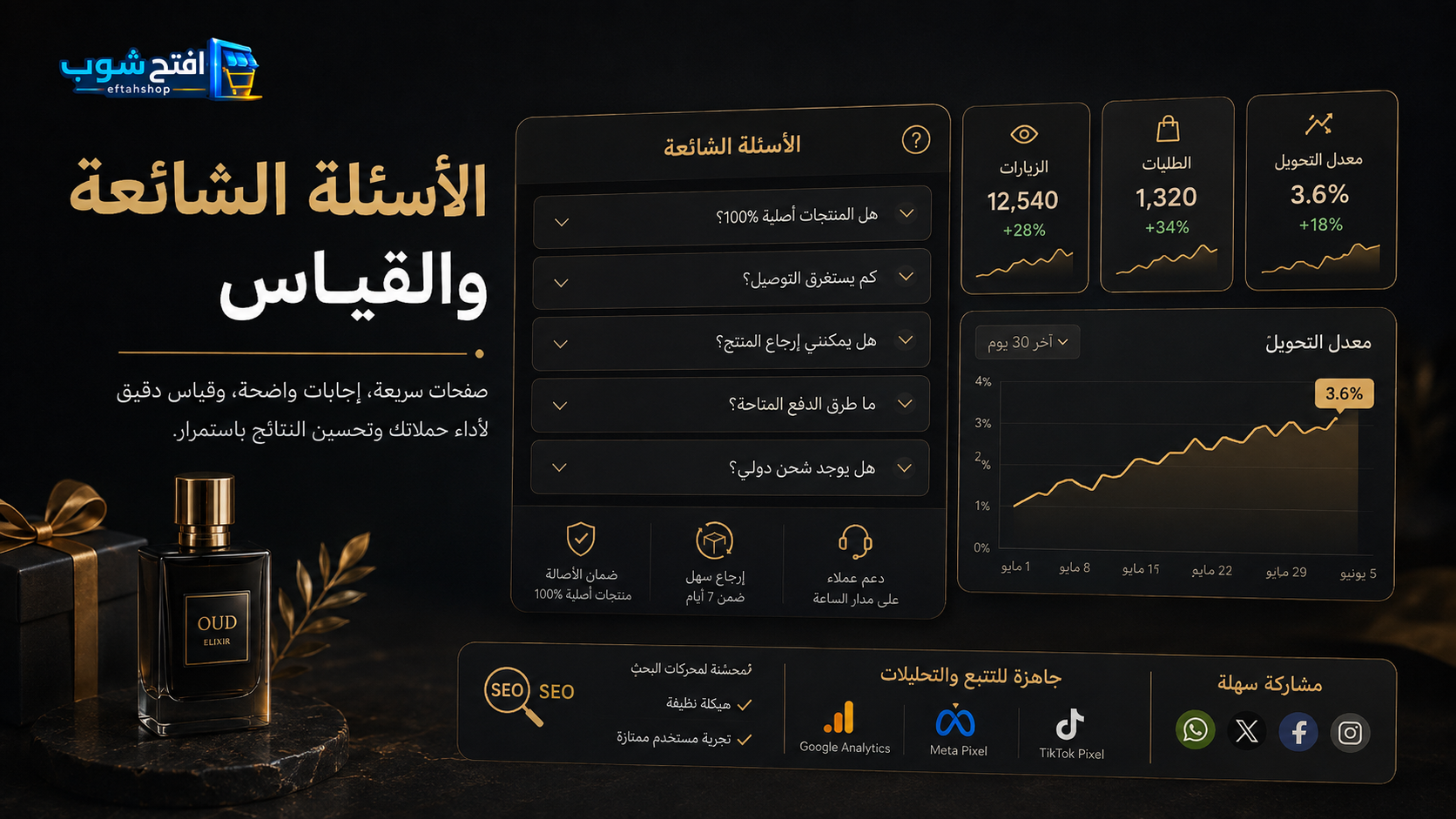
6. Frequently Asked Questions (FAQ)
Customers often have questions before completing a purchase.
For example:
Is the product currently available?
How long does delivery take?
Can I return or exchange the product?
Which payment methods are accepted?
Adding an FAQ section allows visitors to find answers without contacting customer support.
It also helps you address common concerns directly on the landing page.
7. A Clear Call to Action (CTA)
A call to action tells visitors what they should do next.
For an e-commerce landing page, this might be a button labeled:
Buy Now
Order Now
Shop This Product
The CTA should be easy to identify and positioned where visitors can naturally take the next step.
For longer landing pages, consider placing relevant purchase buttons in multiple sections.
The goal is to make purchasing straightforward without overwhelming the visitor.
How to Create a Product Landing Page with EftahShop
Building dedicated landing pages doesn't have to involve writing code or developing a separate website.
EftahShop provides landing page creation tools that help merchants build dedicated product and campaign pages within their existing online stores.
You can organize your promotional content, connect pages to products, and customize important elements through your store's management dashboard.
Connect Your Landing Page to an Existing Product
Instead of creating an entirely separate product listing for every campaign, you can associate your landing page with a product already available in your store.
This helps keep your marketing campaigns connected to your existing product management workflow.
For example, if you're promoting a particular accessory, you can create a dedicated campaign page connected to that product.
Customize the Hero Section
You can prepare a hero section that communicates your campaign's main message.
Highlight the product, introduce the offer, and use relevant imagery to capture attention.
Your headline should be clear and consistent with the advertisement directing customers to the page.
Showcase Product Images and Benefits
A landing page should give potential customers enough information to evaluate the product.
With EftahShop's landing page tools, you can organize product imagery, highlight important features, and communicate the benefits of your offer.
This allows you to create a focused presentation without requiring visitors to browse unrelated products.
Add Trust Elements and FAQs
You can organize supporting information to address common customer concerns.
For example, explain shipping arrangements, return conditions, and frequently asked questions.
These sections help customers evaluate an offer before deciding whether to purchase.
Use Clear Calls to Action
Your landing page can include calls to action that guide visitors toward the next step in their shopping journey.
Use concise button labels and position them where customers are ready to take action.
Configure SEO Settings
Landing pages aren't limited to paid advertising campaigns.
Some pages can also target relevant organic search queries, depending on the product, topic, and content.
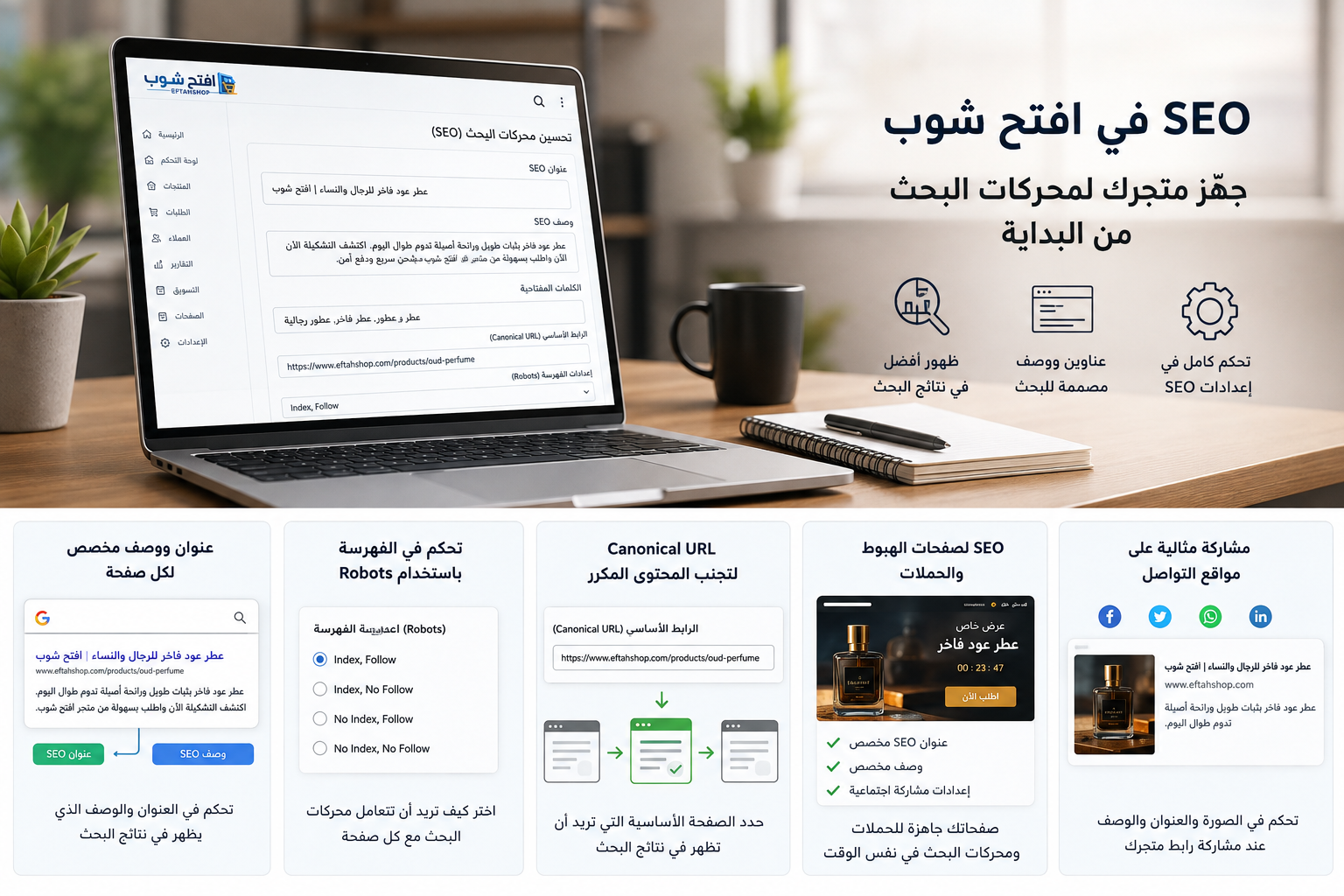
EftahShop includes SEO settings that help you customize important page information, including SEO titles and descriptions.
However, configuring SEO metadata alone doesn't guarantee rankings or indexing.
Search visibility also depends on factors such as content quality, crawlability, indexing eligibility, and relevance to search intent.
When Should You Use a Product Landing Page?
Landing pages can support several types of e-commerce marketing campaigns.
Facebook and Instagram Advertising
When advertising a specific product, sending visitors to a matching landing page can create a more direct experience.
Customers see the product or offer they clicked on without navigating through the entire store.
Seasonal Promotions
Special occasions and seasonal campaigns often involve limited-time offers.
A dedicated landing page can communicate the promotion, highlight participating products, and explain important conditions.
New Product Launches
Launching a new product?
A landing page can introduce its features, explain its benefits, and give potential customers a focused place to learn more.
Special Offers and Discounts
When promoting a discount on a particular item, a landing page can help keep the messaging consistent.
Make sure the displayed pricing and promotional conditions are accurate.
Are Landing Pages Better Than Store Homepages for Advertising?
The answer depends on your campaign objective.
If you're running a general brand awareness campaign, directing visitors to your homepage may make sense.
However, if you're advertising a specific product or promotion, a dedicated landing page may be more suitable.
It allows you to align the page content with the visitor's expectations.
That doesn't mean a landing page automatically increases conversions.
Results also depend on factors such as product demand, pricing, advertising quality, page speed, trust, and checkout experience.
The best approach is to test different experiences and evaluate their performance using actual campaign data.
Common Landing Page Mistakes to Avoid
Even a visually attractive landing page can perform poorly if it creates confusion or fails to answer important customer questions.
One common mistake is using a landing page headline that doesn't match the advertisement.
For example, advertising a 20% discount but failing to clearly display the offer on the destination page can confuse visitors.
Another mistake is presenting insufficient product information.
Customers should be able to understand what they're purchasing, the price, and any important conditions.
Poor mobile usability is another issue worth addressing.
Many social media advertising visitors use smartphones, so your landing page should be easy to navigate on smaller screens.
Finally, avoid unnecessary distractions.
A landing page should have a clear objective and guide visitors toward it.
How to Improve Your Landing Page Performance
Creating your landing page is only the beginning.
Once your campaign is running, monitor how visitors interact with the page and whether they complete the intended action.
Consider reviewing your page's loading speed, product presentation, call-to-action placement, and consistency with the advertisement.
You can also experiment with different headlines, product images, and content arrangements.
Make changes based on actual performance data rather than assumptions.
Remember that landing page optimization is an ongoing process.
Start Creating Product Landing Pages with EftahShop
Whether you're promoting a new product, launching a seasonal campaign, or running social media advertisements, dedicated landing pages can help you create a more focused shopping experience.
With EftahShop, you can manage your online store's products and create dedicated campaign pages from one platform.
Connect your landing pages to existing products, customize promotional content, showcase product benefits, and prepare important SEO information without building a separate website.
Ready to create your first product landing page?
Start building your online store with EftahShop.
Article gallery